
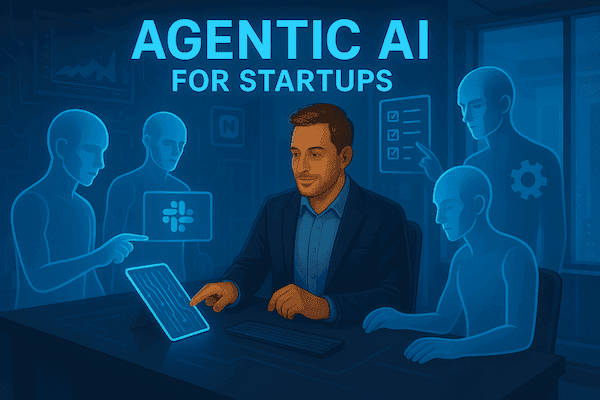
Day 1: Agentic AI
Welcome to Day 1 of Agentic AI Series by Devs Core
_“You don’t need an assistant. You need a teammate who thinks.”_That’s what Agentic AI promises—and it’s already happening.
🎯 Introduction: Why This Blog Series?
Let’s face it—every founder is drowning in to-dos.
Marketing campaigns. Data dashboards. Customer escalations. Product feedback. Internal ops.Now imagine if you could hire an AI teammate to think like you, work like you, and act independently on your behalf—across tools like Notion, Slack, HubSpot, and your internal API.
That’s not wishful thinking.That’s Agentic AI.
In this blog series, we’ll explore:
What Agentic AI is
Why it’s a shift, not just a trend
How to build your first agent
Real-world examples, tools, and resources
This post kicks off your journey with everything you need to understand Agentic AI from a product and engineering lens.
🧠 What Is Agentic AI?
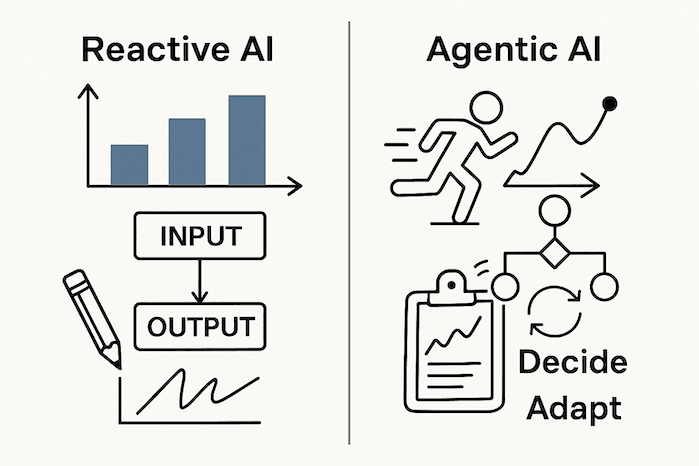
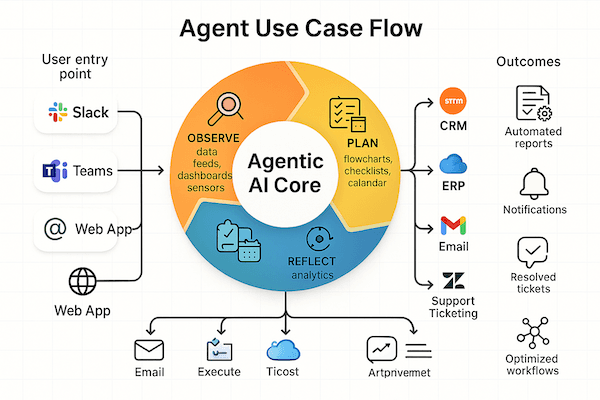
Traditional AI = Give it a prompt, it replies.Agentic AI = Give it a goal, it figures out how to achieve it, step by step.
At its core, agentic AI is goal-directed software powered by LLMs. Instead of waiting for you to act, the AI:
Sets sub-goals
Chooses tools
Plans workflows
Executes them over time
Adapts based on context and memory
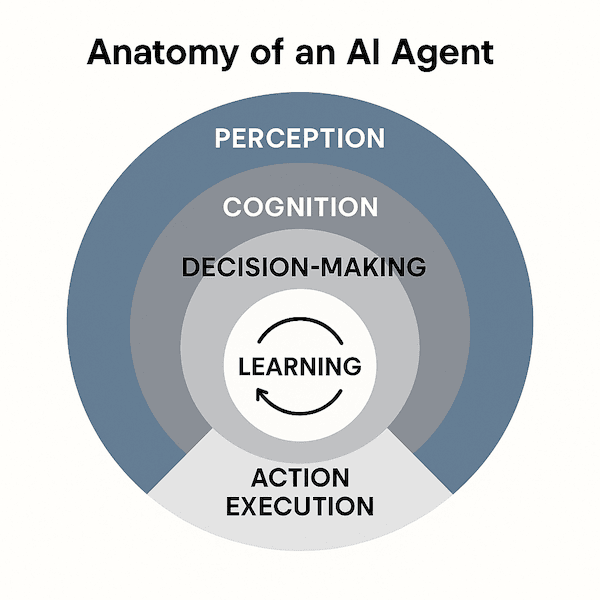
⚙️ The Core Components of an Agent
To understand how it works, let’s break it down:ComponentFunctionPlannerBreaks down the main goal into smaller tasksExecutorExecutes each task (e.g., API call, database query)MemoryStores past actions, results, and failuresTool UseCalls APIs, plugins, or functions (like Zapier or LangChain tools)ReflectorEvaluates outcomes and self-corrects
Think of it like a startup team with a PM, dev, ops, and QA—all inside one AI loop.
🧪 Real Use Case: An Email Agent for Startup Ops
Let’s build something real. Here’s a LangGraph-based Agentic Email Assistant:
Checks your Gmail every morning
Summarizes key messages
Flags customer complaints
Suggests replies
Sends a Slack digest
📎 Check out this tutorial to learn how to build this!
This agent:
Has memory
Makes decisions (what’s urgent)
Uses tools (Gmail API, Slack API)
Runs daily without supervision
🔥 Now imagine building this for:
Daily sales reporting
Ops escalation alerts
Content republishing
Inventory monitoring
You’re not building chatbots. You’re building thinking software.
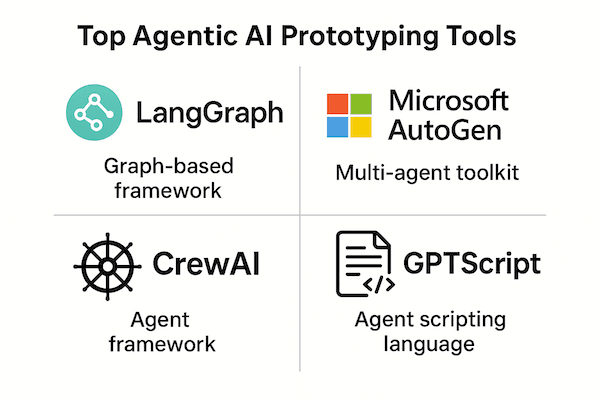
🧰 Tools to Start Prototyping Agents
Here are the top agentic frameworks developers use:ToolBest ForWebsiteLangGraphMulti-step agents with graph-based logiclanggraph.devMicrosoft AutoGenRole-based, multi-agent collaborationGitHub RepoCrewAIOrchestrating agents with specific job rolescrewai.ioGPTScriptFast prototyping of agents with codegptscript.ai
🤖 Agentic AI vs RAG vs Traditional Automation
CategoryBehaviorLimitationRAG (Retrieval-Augmented Generation)Answers better using external docsNo autonomy or decision-makingZapier/IFTTTExecutes static tasks on triggerNo logic, planning, or memoryAgentic AIPlans and executes toward goalsComplex, but flexible and evolving
Agentic AI isn’t replacing those—it’s layering on top of them.
💼 Why Should Startups and Tech Teams Care?
Because it’s the next platform shift—like mobile or cloud was.
You can:
Build faster with fewer people
Automate growth and ops
Create scalable workflows that improve over time
Integrate AI across every surface: product, marketing, support, engineering
✨ Devs Core’s Take
We’ve used agentic frameworks to:
Automate 50% of internal reporting
Prototype finance assistants for SaaS founders
Build support agents that reduce ticket volume
If you’re a startup scaling fast but short on time—agentic AI is your new weapon.
🧠 FAQs About Agentic AI
Is Agentic AI production-ready?
Yes. Several tools like LangGraph and AutoGen are stable, used by enterprises, and open source.
What skills are needed to build one?
Python, API integration, and a basic understanding of LLMs. Or work with a team like Devs Core.
Where should I use my first agent?
Start with back-office ops, marketing automations, or internal tools—low risk, high reward.
✅ Your Next Steps
🎯 Want to explore Agentic AI for your startup?Let us help. We’ve built AI-powered systems that:
Save 40+ hours/month
Improve customer experience
Adapt with your business over time
👉 _Book a free consultation_👉 Or build your first agent using this LangGraph tutorial
WE ARE YOUR TECH PARTNER
Let’s Build Your
Startup Software
Ready to launch a scalable, AI-powered product? We build sustainable custom solutions you can grow with.
				[

								Contact Us

				](/contact)